The Science of Self-Discovery
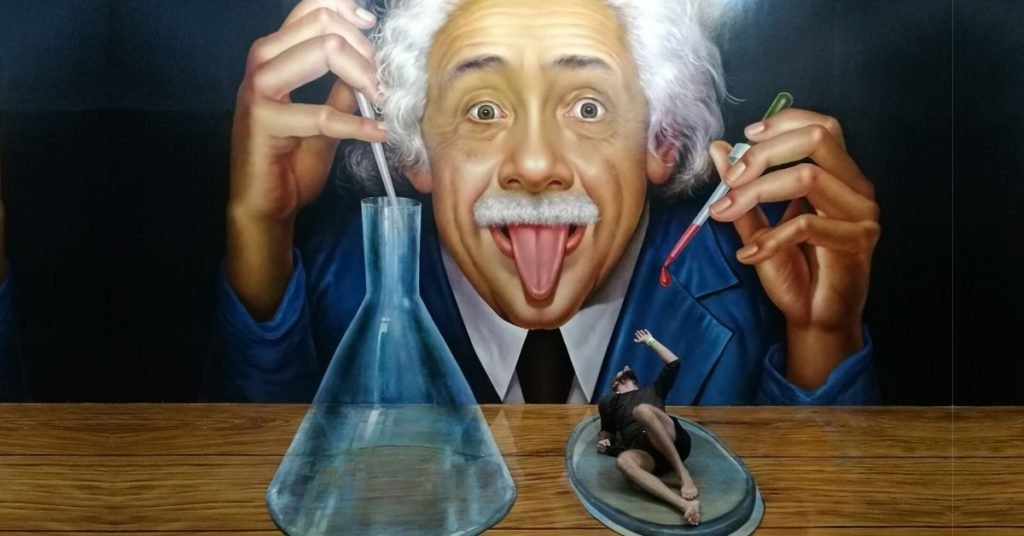
The Science of Self-Discovery: Why Your Life Should Be Your Greatest Experiment
Growth isn’t accidental—it’s intentional, data-driven, and deeply personal.
As both a human optimization coach and psychotherapist, I’ve observed something fascinating: the most resilient, thriving individuals treat their lives like living laboratories.
They don’t wait for change to happen; they systematically experiment their way toward optimization.
The Five Dimensions of Human Experimentation
Cognitive Exploration
Challenge your mental models. Question long-held assumptions. Test new frameworks for understanding yourself and your world. What happens when you deliberately shift your perspective on a recurring challenge?
Somatic Discovery
Your body holds incredible wisdom. Experiment with different movement practices, breathwork techniques, or relaxation methods. Notice how your nervous system responds to various inputs.
Emotional Intelligence
Lean into vulnerability as data collection. Track your emotional states. Try new ways of expressing feelings. Each emotional experiment teaches you about your inner landscape.
Energetic Optimization
Subtle practices—meditation, visualization, intentional stillness—can dramatically shift your resilience and vitality.
These aren’t just wellness trends; they’re measurable interventions.
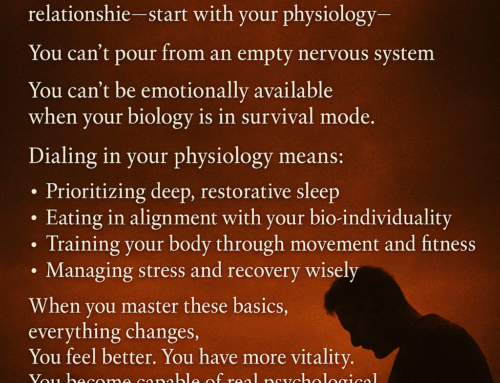
Physiological Fine-Tuning
Sleep, nutrition, circadian rhythms, movement—your biology is your most personal research lab.
Small adjustments can yield profound results.
Why This Matters Professionally
In an era of constant change, the ability to experiment, adapt, and optimize isn’t just personal development—it’s professional survival.
Leaders who understand their own operating systems make better decisions under pressure.
The result? Increased health, well-being, fortitude, vitality, resilience, and peak performance.
We don’t grow by following cookie-cutter solutions. We evolve by testing, adjusting, learning, and refining—one experiment at a time.
What experiment are you currently running in your life? Share in the comments—I’d love to hear about your discoveries.