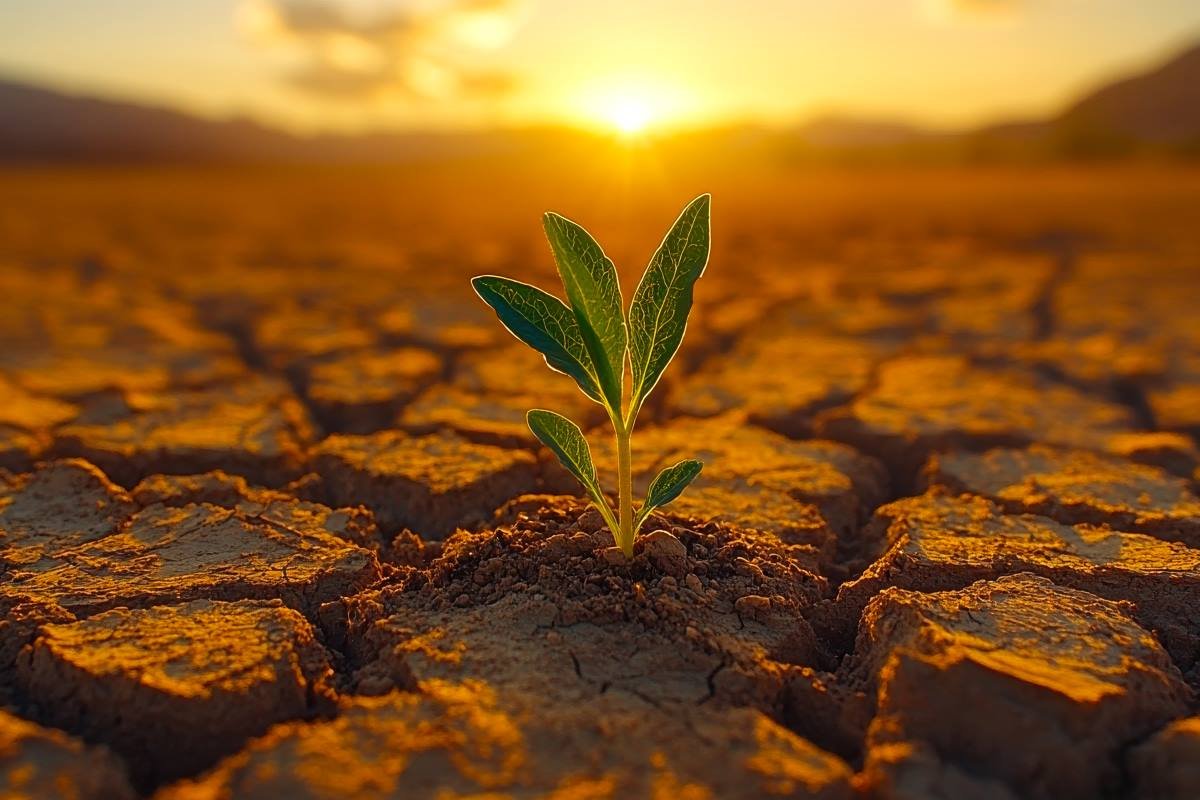

Resilience is often framed as an individual responsibility.
Manage your stress. Improve your mindset. Build better habits. While personal capacity matters, this framing overlooks something essential: resilience is shaped by systems as much as by individuals.
No person functions in isolation.
Health, performance, and regulation are deeply influenced by relational structures, cultural expectations, institutional design, and environmental conditions. When systems are incoherent, individuals absorb the cost—often through chronic stress, burnout, or relational breakdown.
This is why personal resilience strategies alone eventually fail.
You can regulate your nervous system, but if the system you’re inside continuously destabilizes you, resilience becomes a compensatory effort rather than a sustainable one.
A resilient system distributes load intelligently. It allows for recovery, feedback, and adaptation. It doesn’t rely on constant self‑override from the people within it.
Many conversations on Resilience Redefined explore this intersection—where individual capacity meets systemic design. Health systems. Organizational structures. Relationship dynamics. Leadership models.
When resilience is understood as a systems issue, the focus shifts. Instead of asking, “How do I push through this?” we begin asking, “What needs to change so people don’t have to?”
That question opens the door to meaningful adaptation—not just survival.
And that is the deeper promise of resilience.