
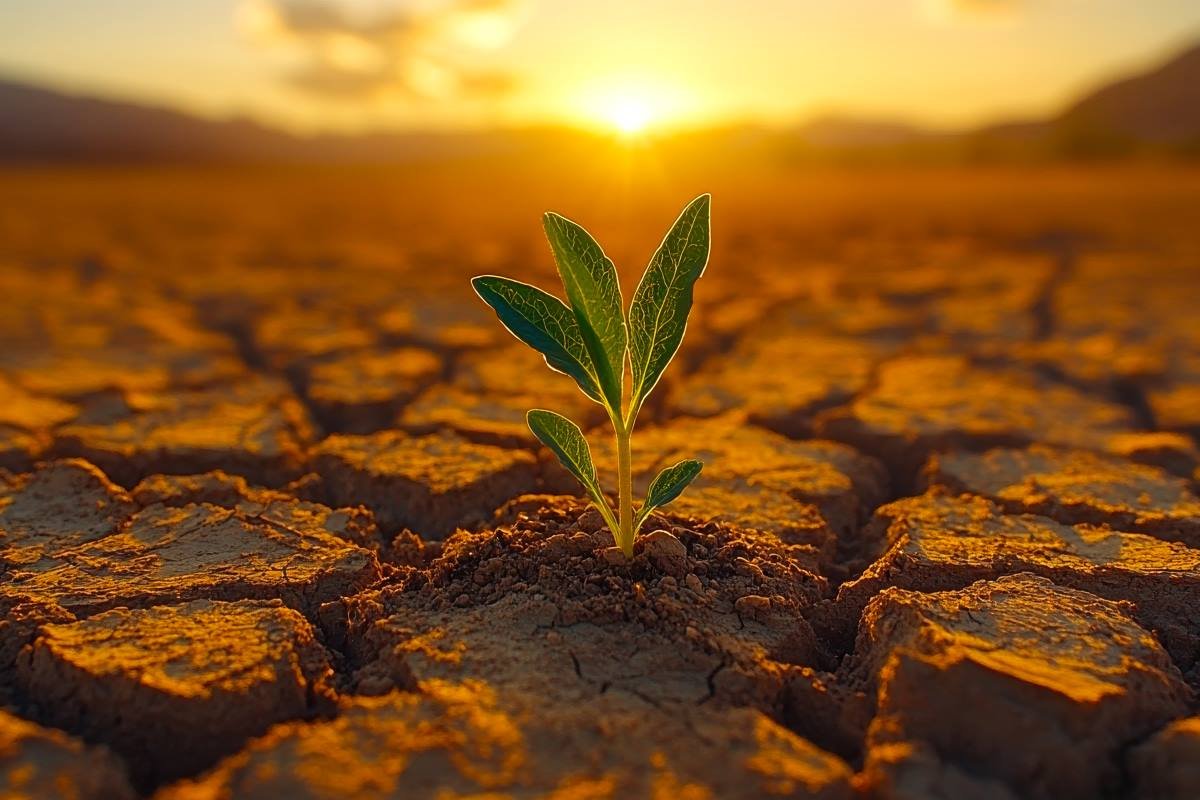
Resilience is often confused with endurance.
We admire people who can push through exhaustion, tolerate pressure, and keep going at all costs. But endurance alone is not resilience—it’s a stress response. Over time, endurance without regulation leads to breakdown, not strength.
True resilience is not about how much you can tolerate.
It’s about how well you can recover, recalibrate, and respond.
In high‑pressure environments, the people who last are not the ones who push the hardest. They’re the ones who know how to regulate themselves—physiologically, emotionally, and relationally — before damage accumulates. They can engage fully without burning out or becoming rigid.
This distinction matters because many modern resilience narratives quietly reward self‑override. They frame exhaustion as commitment and collapse as a personal failure. That framing ignores how nervous systems actually work.
Resilience is not linear. It’s cyclical.
Stress must be met with recovery. Effort must be balanced by restoration. Capacity grows not through constant strain, but through intelligent load and integration.
The conversations on Resilience Redefined start here—by asking better questions about what actually sustains human functioning over time. Not what looks impressive. Not what sounds motivational. But what holds under repeated pressure.
If resilience is something we want to build—individually or collectively—we must move beyond grit alone and toward coherence, regulation, and adaptability.
That is where durability lives.